COLLECTION
COLLECTION
Creation & Grandeur
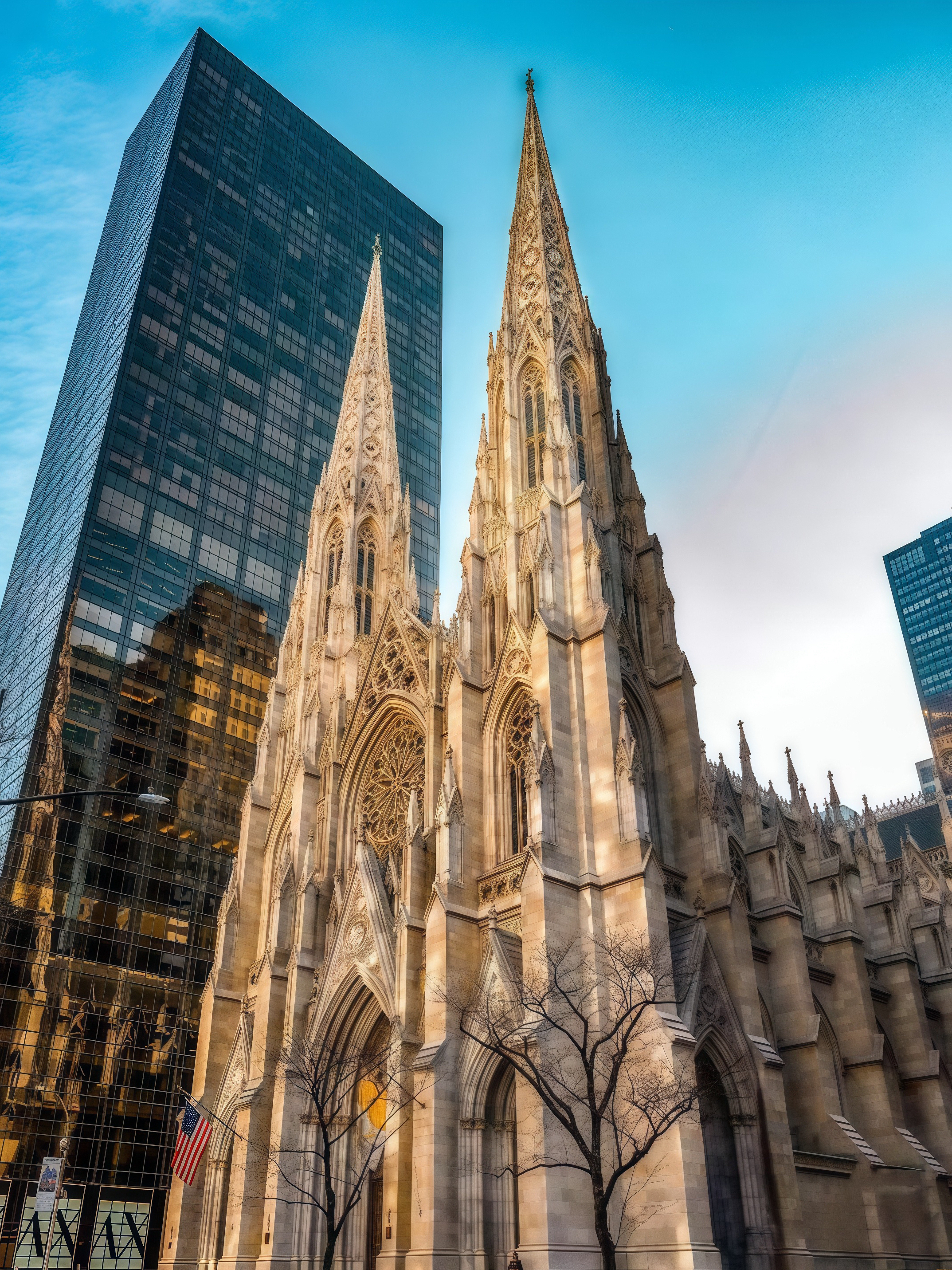
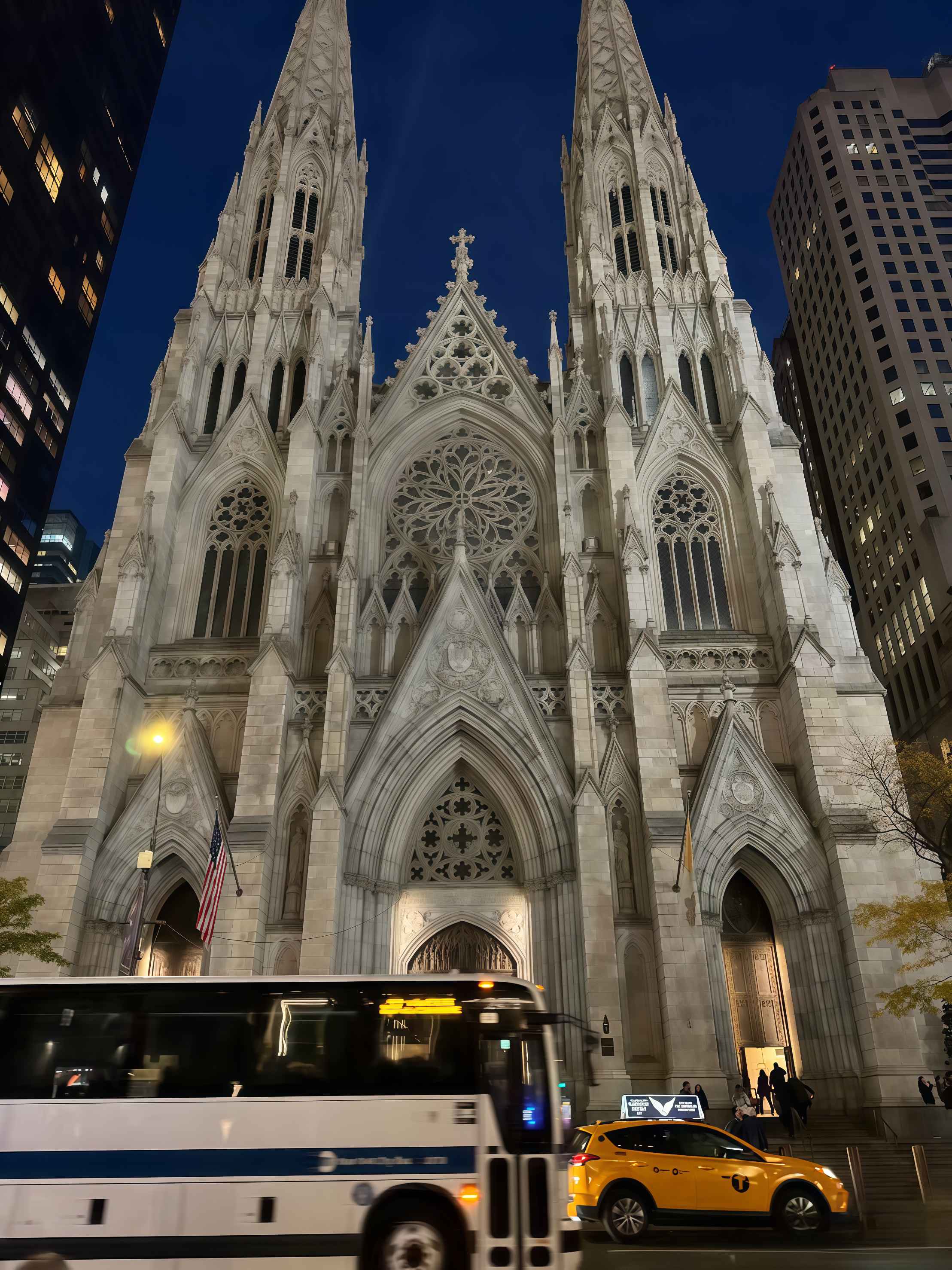
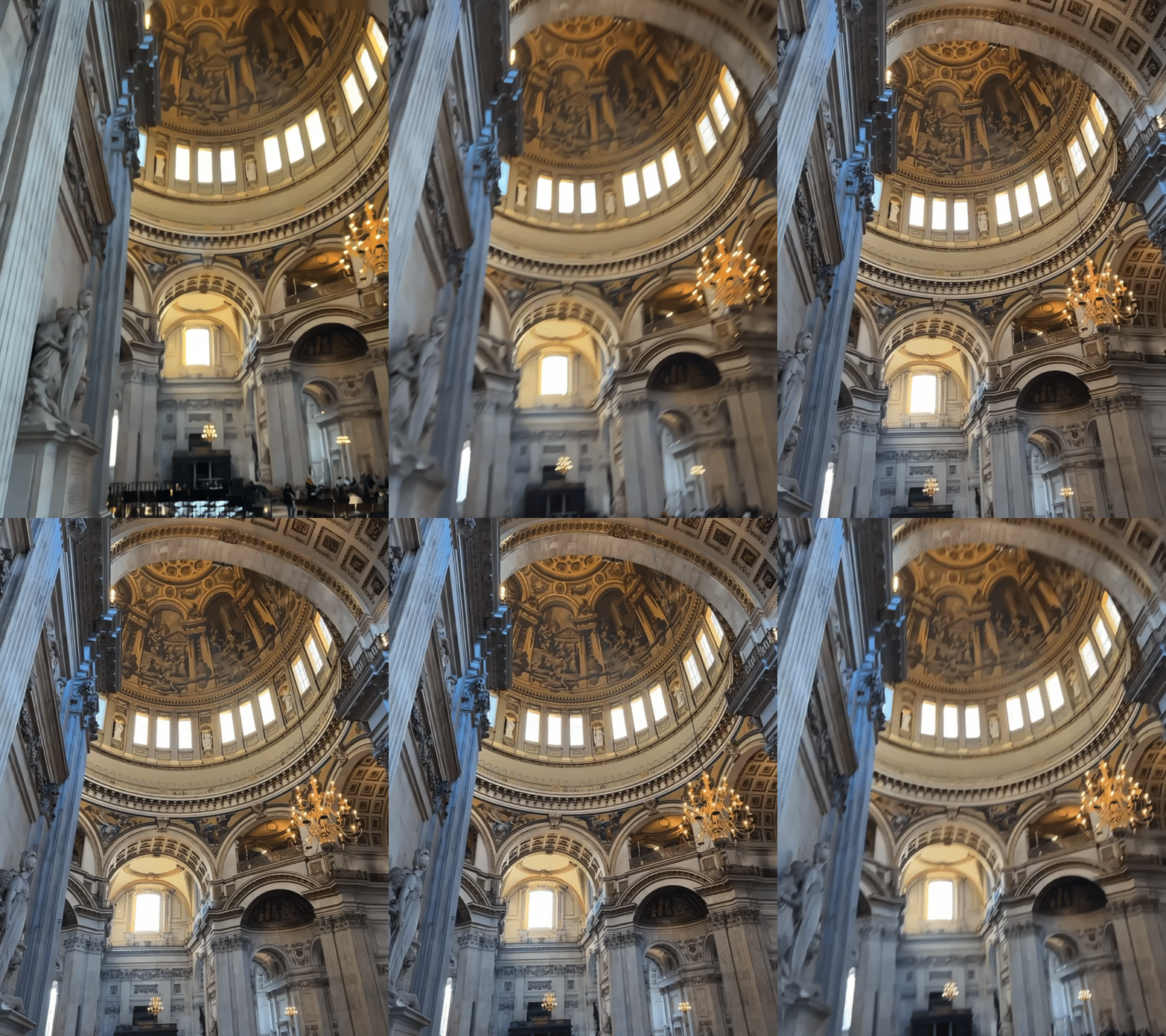
I stand as a monumental feat of human engineering, a house of worship, and a vibrant center for arts, culture, and community. Located in the heart of New York, my sheer size dominates the skyline, stretching a full avenue block from Amsterdam Avenue to Morningside Drive. Though over 120 years old and still unfinished, I remain the largest cathedral in the world. My architecture blends Romanesque, Byzantine, and Gothic elements, making me not only a place of spiritual reflection but also a symbol of human creativity and resilience. My façade towers with intricate detail, and the seven apsidal chapels dedicated to saints of various national origins reflect the diverse immigrant history of the city. Despite incomplete construction, I stand as an enduring landmark, admired for both my scale and symbolism.
Expansion & Innovation
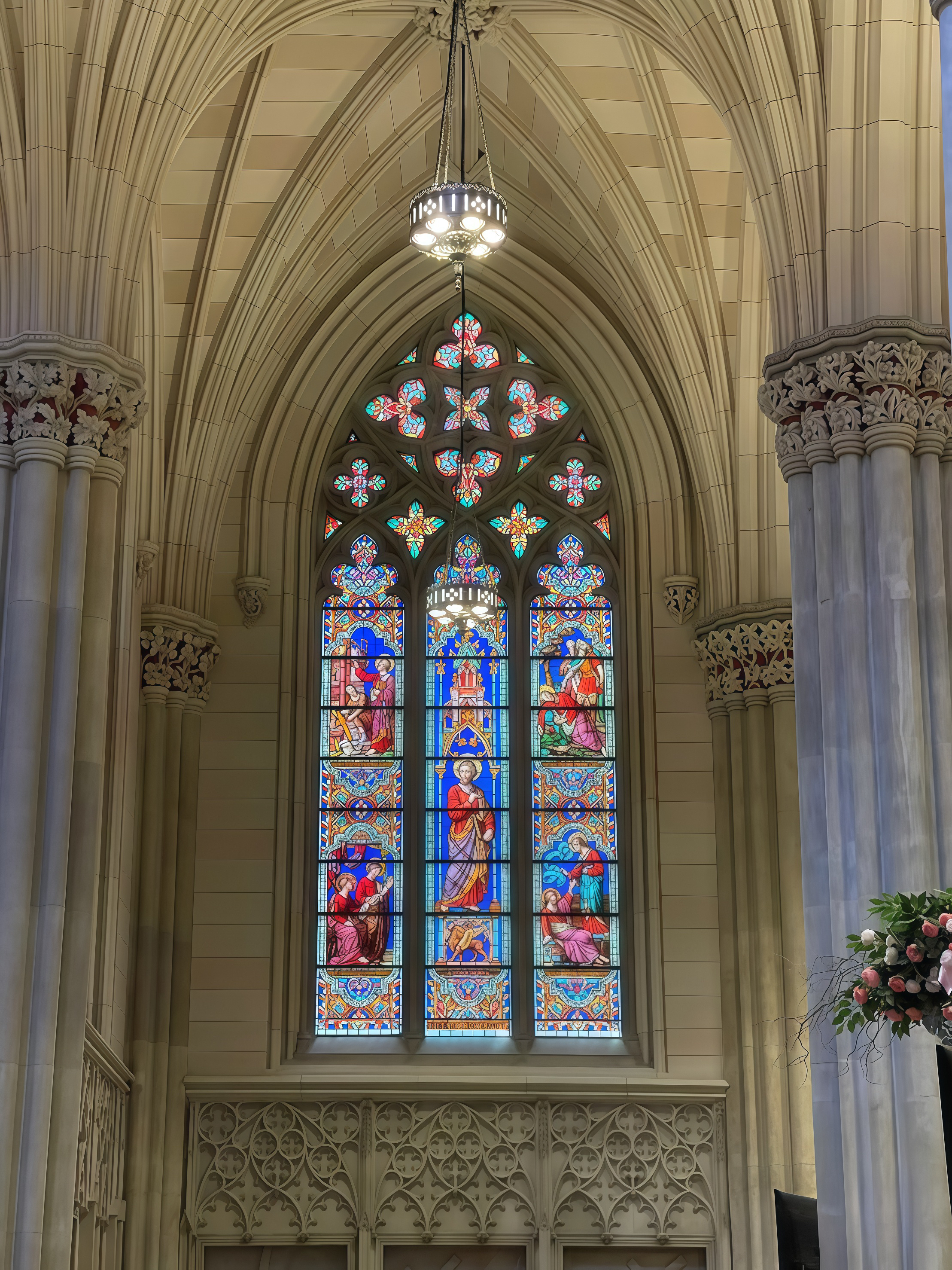
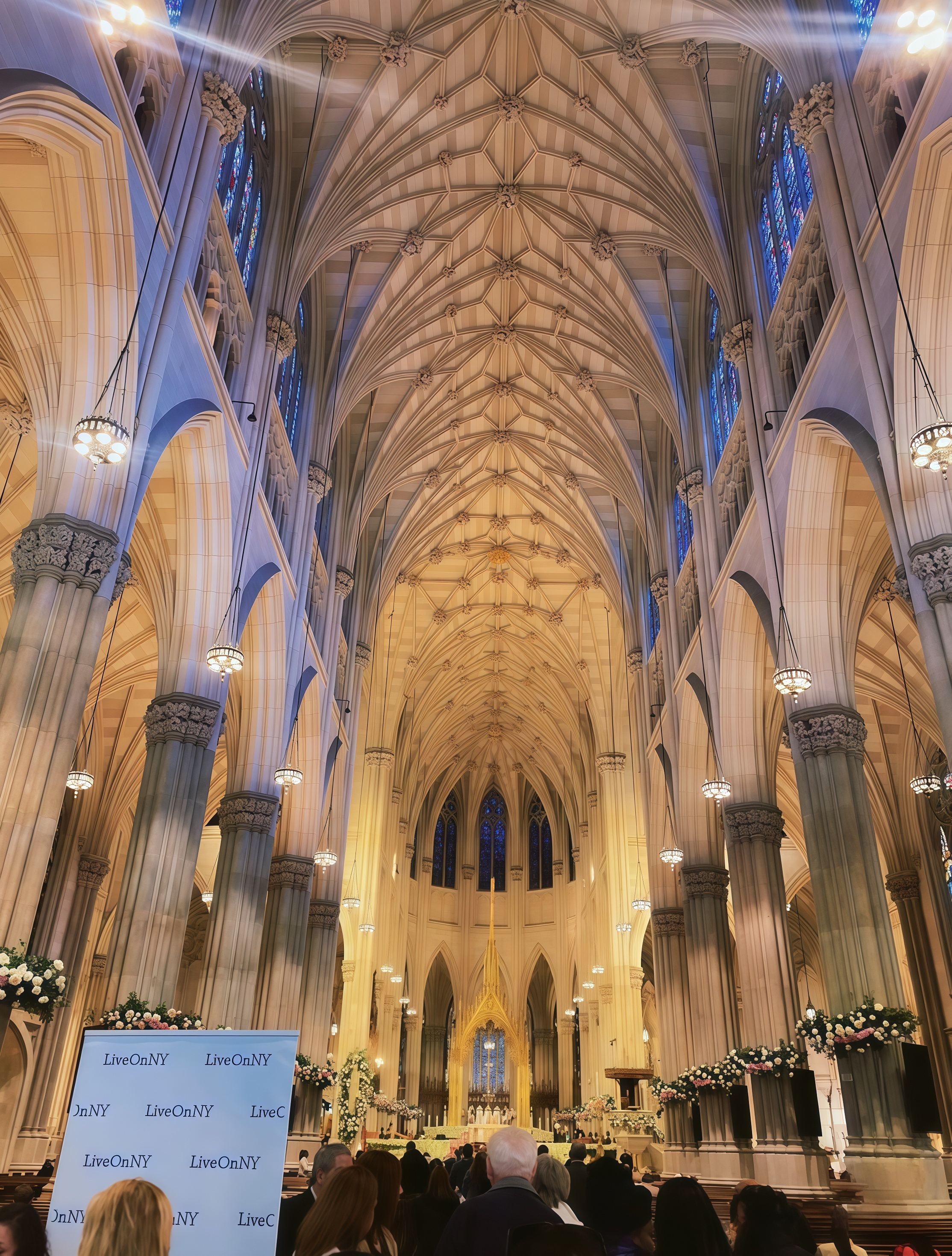
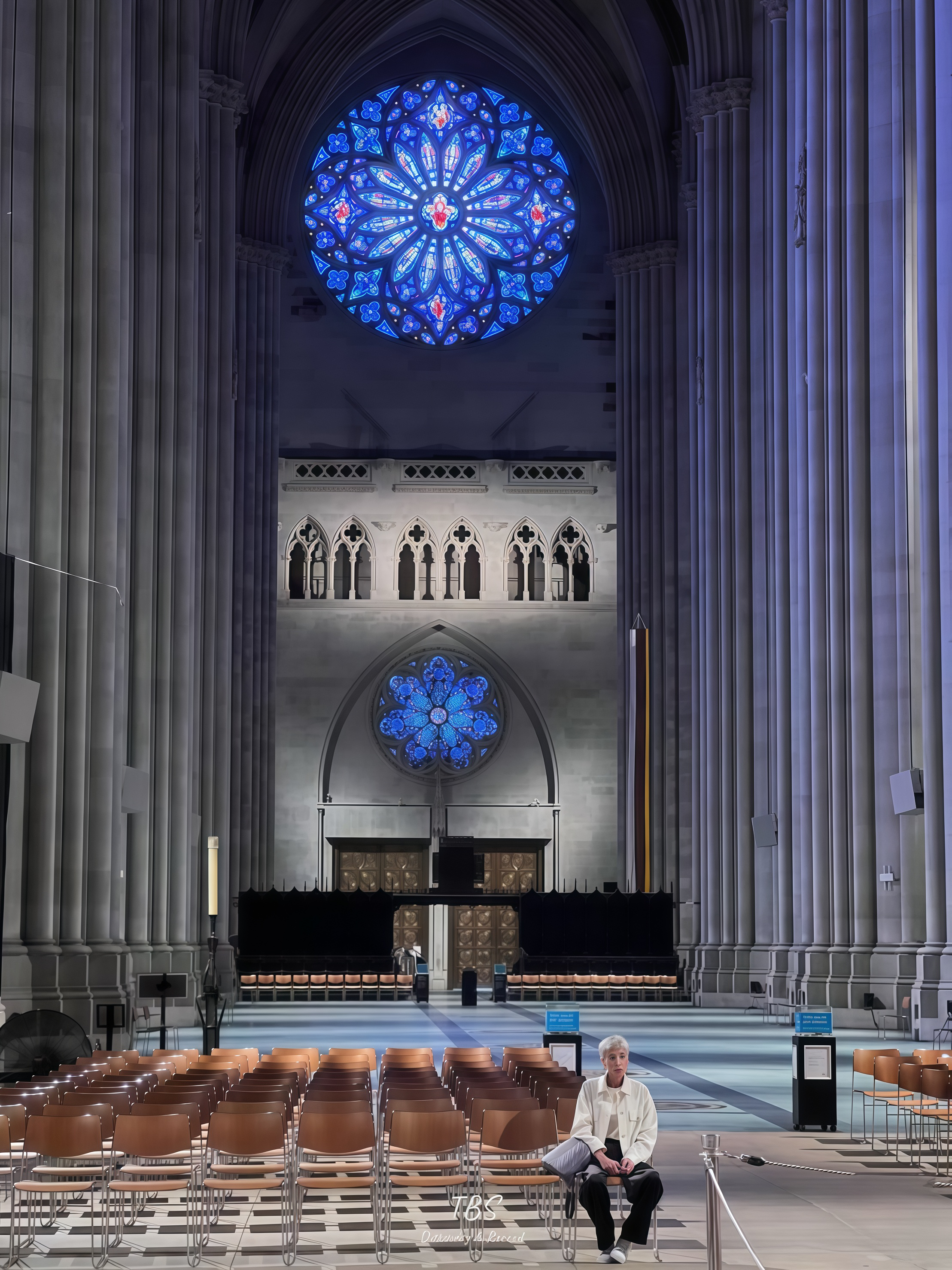
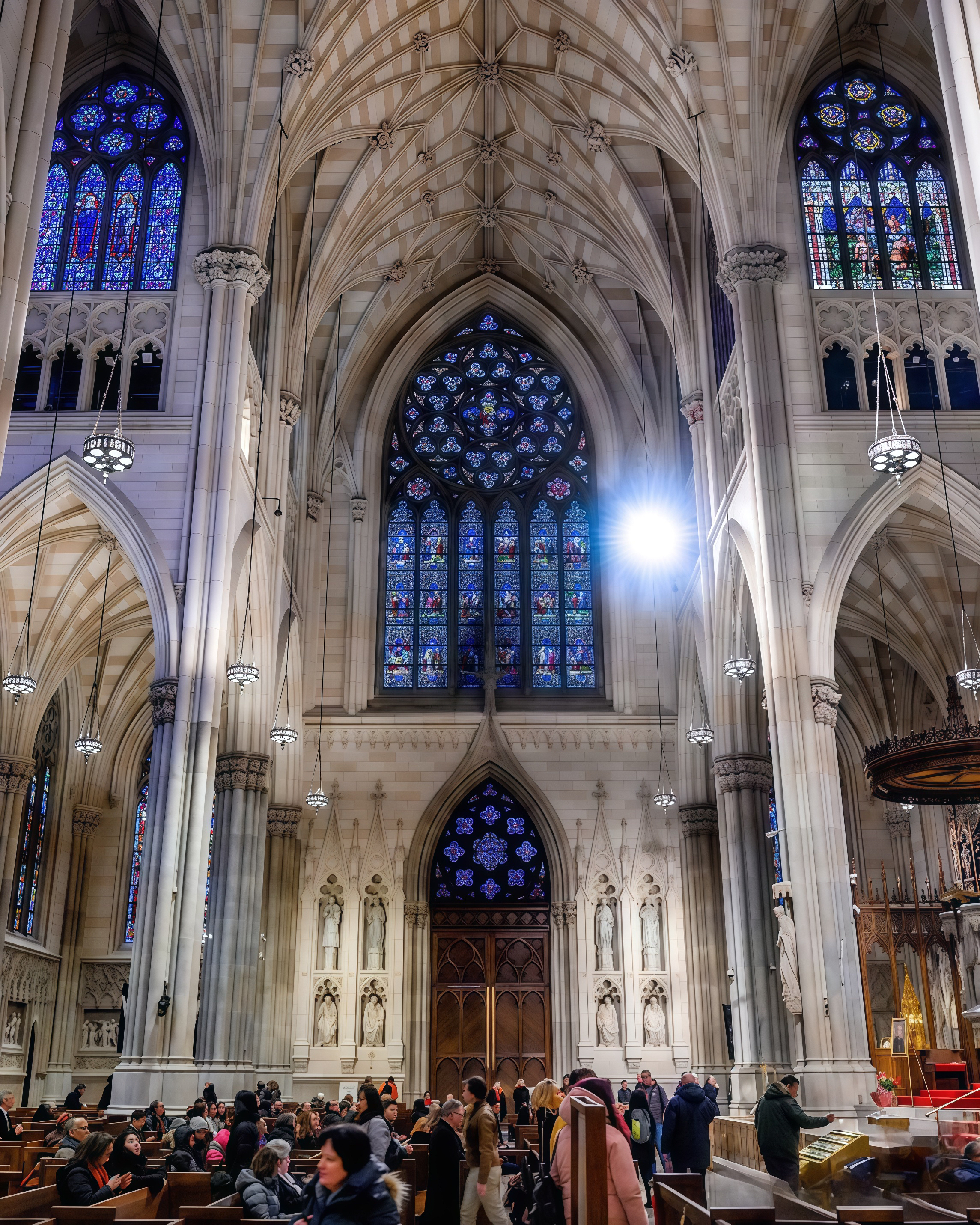
My construction unfolded across three phases, each reflecting a different architectural vision. The first phase, by George Lewis Heins and Christopher Grant LaFarge, established a Romanesque-Byzantine foundation with solid granite columns, barrel-vaulted ceilings, and seven chapels honoring diverse nationalities, symbolizing the cultural diversity of the era. These chapels, with their distinct architectural styles, were a response to the wave of immigration at the turn of the century, reflecting the immigrant communities of New York. The second phase, led by Ralph Adams Cram, introduced neo-Gothic elements like ribbed vaults, pointed arches, and flying buttresses. The stained glass windows, crafted using medieval techniques, fuse ancient Christian imagery with modern figures. The Great Rose Window, spanning 40 feet, became a central feature, symbolizing the connection of past and present, with its intricate design and profound biblical imagery. The final phase added bell towers and restored portals, continuing my architectural evolution. The Portal of Paradise, completed in the 1990s, blends traditional stonecarving with modern imagery of apocalyptic destruction and resurrection, symbolizing faith’s enduring strength and the continual renewal of life. Despite setbacks such as halted construction during World War II and a devastating fire in 2001, my restoration efforts have persevered. I remain a testament to resilience, creativity, and the vision of all those who contributed to my creation. Through every stone, window, and chapel, I continue to inspire generations, bridging history, art, and spirituality.
Symbolism & Meaning
Throughout my architecture, symbolism runs deep, weaving a narrative of faith, human endeavor, and connection. Built on high ground in Morningside Heights, my design is shaped like a Roman cross, drawing visitors’ eyes upward, toward the heavens. The verticality of my structure reflects spiritual ascent, and my stained-glass windows highlight various human pursuits, from labor and education to medicine and the arts, culminating in a vision of the divine at the top. My floor, marked by bronze medallions in the Pilgrims' Pavement, traces the miracles of Jesus and key moments in Christian history. The number seven, a symbol of divine perfection, is reflected throughout, from my seven chapels to the seven stars above the High Altar. Named after Saint John the Divine, whose visions of the apocalypse shape much of my imagery, I carry deep biblical symbolism, inviting visitors to reflect on the divine order, human struggle, and the promise of resurrection. I stand not only as a house of prayer but as a unifying center of intellectual and spiritual enlightenment, a place where the past, present, and future converge through the power of faith and architecture.